How taking care of our basic needs helps reduce burnout
If you are tired from burnout, 8 hours of sleep, plenty of water, and 3 square meals a day won’t fix it, and we aren’t going to pretend it will. However, neglecting any of these things for an extended period of time can cause burnout, and will make it worse once we’re already there. It is very important to pay attention to our physical health, especially while facing challenges with our mental health. We might not like to hear this because it might feel like we’re saying the negative emotions are not real or unreasonable, that’s not what this means though. This is less about magically getting better, and more about not kicking ourselves when we’re already down (metaphorically).
Eating Is Important
Eating lunch will not make a terrible day good, but going 8 hours without eating is pretty much guaranteed to make a bad day, a terrible day, or even a decent day worse. Our brains and bodies use those calories to accomplish a lot of different things, but primarily for our thought processes and running our internal organs. Our thought processes include processing and regulating negative emotions. When we are hungry we are worse at dealing with problems and accomplishing goals. We can take care of ourselves by eating a meal that contains both protein (cheese, meat, beans, nuts, fish) and complex carbohydrates (bread, rice, pasta, potato) in enough quantity to help us feel full. It helps if we add some fruits or vegetables to the mix, but as long as we get both carbs and proteins we should have enough to get us through the day. This usually requires planning ahead and might be more difficult if we have dietary restrictions, weight change goals, health needs, or extreme limits on our time or budget. Sometimes we might have to keep replacement meal shakes, granola bars, or a bag of pre-sliced bread and a jar of peanut butter in the car or at our desk. Eating needs to be a high priority whatever the circumstances, especially when we are busy, stressed, or have a lot to do.
Sleep Is Important
Sleep also won’t fix burnout, it’s a deeper kind of tired, but getting less than 8 hours when we feel bad will make things worse. We need energy to accomplish our daily tasks, but sleep is also an important time for our brains to process both information and emotions. While we sleep everything that happened during the day gets sorted into different places in our memory, or disposed of accordingly. If we don’t get enough sleep our brains don’t have enough time to go through everything that happened, and important things are more likely to accidentally get thrown into the forgetting because it’s not important pile or the horrible thing that will haunt me for years because I haven’t dealt with it pile, than otherwise would if we get enough sleep. “Catching up” on sleep later by, for example, sleeping 12 hours on Saturday can help sort out some of the emotional baggage we went through throughout the week, and that’s good, but it can’t bring back things we were supposed to commit to long term memory but didn’t get to fully absorb while it was fresh due to being tired.
Drinking Water Is Important
Water is crucial to so many of our system functions. Our bodies use water to keep our immune systems active, regulate our emotions, expel waste, deliver oxygen, keep our brains active, and regulate temperature. When we ignore this need, we become worse at dealing with the situations and emotions that cause burnout.
Exercise is important
Exercise is always important, but even more so when we are under stress. Our bodies are designed to move. Our brains are very connected to our nervous systems. Movement helps us process emotions and information, and helps us relieve stress. Not moving can make us feel like we are trapped.
Other Needs
The things above are things we need constantly, and they are important. We also need access to shelter and places we feel safe. When we are sick or in pain we need access to medical care. Sometimes we really need a hug. If we start noticing a need we cannot ignore it because we’re busy. When we have very little time is the time we most need to listen to our brains and bodies and care for ourselves, before it becomes an emergency.
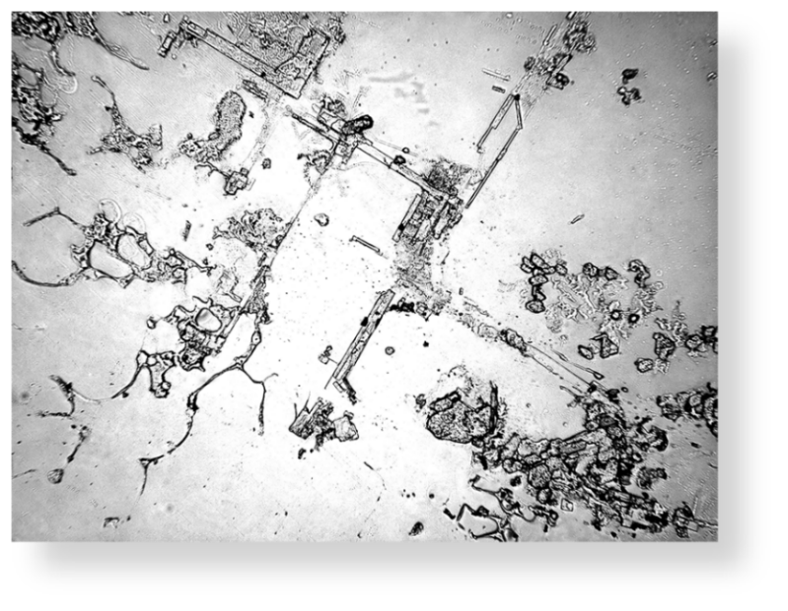
Picture is a microscope sample of tears of grief from Rose-Lynne Fisher’s, The Topography of Tears (Bellevue Literary Press, 2017).